
The avalanche of assignments that accompany schooldays can easily become overwhelming. Students are juggling sports, homework, jobs, and their personal lives — all while trying to maintain a healthy sleep schedule. Obviously, finding a healthy work-life balance has some challenges, so here are some tips to help you out.
Establish routines:
To make your mornings easier, lay out the clothes you want to wear and prepare your backpack for school the night before. Establishing a morning routine creates less stress in the morning. Creating a routine for homework is also beneficial; a quiet study space and a studying method used every day creates a zone of focus that a student can instantly switch into.
Arguably, the most important routine that a student can create for themselves is a consistent sleep schedule. Sleep is incredibly important when it comes to school: it helps with focus, information retention, and attention. Information retention is crucial for test taking, so having a good night’s sleep is just as important as studying.
Sticking to the same schedule daily makes it easier for a person to fall asleep and wake up on time in the mornings. A few things a student can do to make it easier for them to stick to a sleep schedule is setting aside time each night to unwind, according to the National Sleep Foundation. Spend some time reading your favorite book or playing your favorite game. Just keep in mind to avoid screens as much as possible before bed.
Every routine that a student can create for themselves saves them time and stress during incredibly busy days.
Use the Pomodoro method:
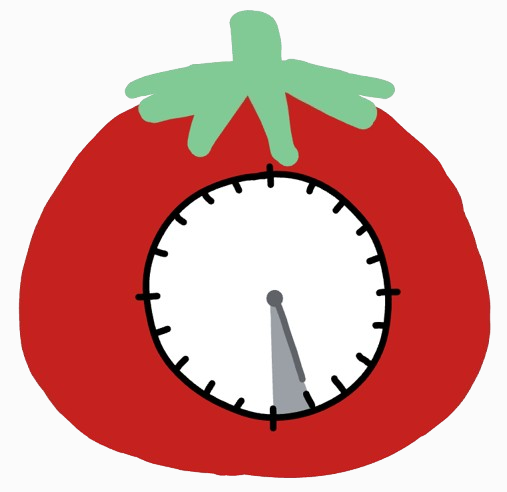
The Pomodoro method is great for studying. It times blocks of 25 minutes to dedicate to studying. After each 25-minute period, you are rewarded with a short 5-minute break.
Its dedicated 25-minute-work blocks help you focus on homework so you can actually get things done. The 5-minute break is just enough time to scroll through videos or stretch before you get started on the next 25-minute focus period.
These little breaks keep you motivated, especially when you realize that after 4 focus periods, you are rewarded with a long 15-minute break rather than the usual short 5-minute break. While the amount of homework you may have seems daunting at first, the pomodoro method breaks things down for you, allowing you to more effectively focus for short periods of time.
Use a planner:
With so many different classes to keep track of, it becomes very easy for a homework assignment to slip your mind. Losing track of the assignments you need to complete often results in the last minute scribbling of answers, or students just not turning their work in at all. The best way to combat this is to have some sort of planner or to-do list on hand.
Your planner can be either physical or online depending on what works for you. Keeping an updated to-do list enables you to see what assignments are due, which helps you prioritize what needs to be done first. Planners can also be used to record test dates to remind you to study in time rather than cram the night before an exam.
Planners aren’t just for academic tasks; you can use them to keep track of non-academic events, too. By using your planner for non-academic purposes, you will be able to see when you have time to study. Plus, you’ll be better able to plan for social and leisure activities, so you’ll make sure you have time to relax, too!
These tips are all modifiable to meet each student’s needs so that they can earn better grades and become the best version of themselves possible. Good luck studying this year!