
Missing your favorite artist’s concert is especially devastating when they rarely perform at venues in your area. However, concert documentaries are a blessing for those who did not get the opportunity to watch the performance in person, and for those who simply want to relive the experience.
“Mitski: The Land” is a limited, theater-exclusive documentary of Mitski’s concerts held over three nights at the Atlanta Fox Theatre in 2024, running for only about a week, starting Oct. 22. As a Japanese-American singer-songwriter, Mitski writes songs reflecting her personal experience with human relationships and depression, dealing with her mixed identity. Some of her well-known songs include “My Love Mine All Mine” and “Washing Machine Heart”.
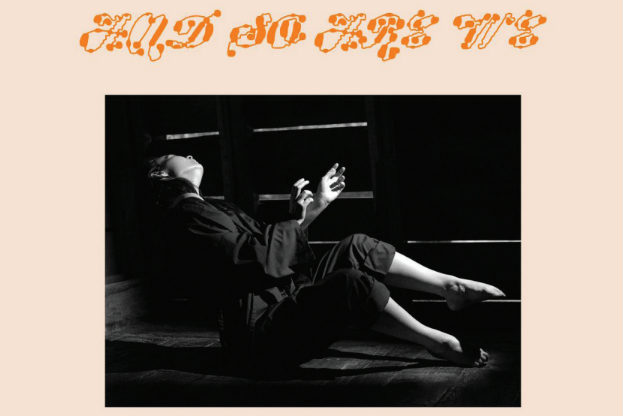
The setlist in the film included songs from her newest album, “The Land is Inhospitable and So Are We,” along with a handful of songs from older albums.
The middle of the stage had an elevated circle platform where Mitski sang and danced, while the musicians blended into the darkness around her, highlighting the performance’s themes of isolation and the complexities of human connection. The platform featured underlights that framed the artist and emphasized her loneliness on stage.
A clever use of the spotlight occurred during “Heaven,” when Mitski gently held the spotlight as if it were a person and slowly danced with it for the end of the song. The dance was simple, yet poignant and raw.
The stage’s lights also flashed a range of colors, such as blue, red, pink, and purple, which helped signal the concert’s shifts in mood. One particular instance when the lighting was especially striking was when the backdrop, made red through the overhead lights, split like a curtain to reveal a bright, heavenly light.
The documentary excellently captured the emotion and intensity of the concert through motion-blurred freeze frames and a variety of camera angles. These still frames flashed on screen during the dance breaks, creating impactful visual punches.
An advantage of watching the concert as a documentary, rather than seeing it in person, is that the audience can experience it from several different angles; it had close-up, spinning, and zoomed-out shots of the stage.
Surprisingly, the sound quality of the instruments and Mitski’s voice were high and well-preserved. The artist’s voice was steady throughout the entire duration of the film, without shakiness or breathiness.
The highlight of the show was when strings of fragmented golden discs descended from the ceiling and shrouded Mitski. As she delicately touched the bottom of each string, the discs slowly retracted back into the top of the stage.
One criticism is that the concert may be unappealing for those not already familiar with her songs, as her performance was very unique to her artistry, especially her choreography. Many of Mitski’s songs feature long instrumental breaks, allowing for frequent dance breaks; however, the choreography was highly unconventional. A notable example was during “I Bet on Losing Dogs,” she crawled on her limbs and panted like a dog.
Even without context, the watcher could easily find the scene humorous, but the bizarreness of her dancing actually furthered the themes of her discography. The crawling was purposefully humiliating, and her stiff yet stirring movements were an unabashed expression of her unfiltered emotions.
Additionally, Mitski did not verbally introduce any of the songs, which may have made it difficult for a new listener to distinguish the beginning and end of a song. At times, several songs blended to feel like one, which was heightened by how many songs had a similar sound. However, this helped keep the audience’s immersion.
Her set ended with “Washing Machine Heart,” which concluded the concert with a synth-pop sound that contrasted the streak of slow ballads preceding it. By the documentary’s finish, it felt as though the concert breezed by.
Overall, the documentary was undoubtedly a well-crafted preservation of the heart-touching concert. Although exclusively in theaters for a short amount of time, “Mitski: The Land” is an art piece; it is an intimate experience for those who got to watch it.