
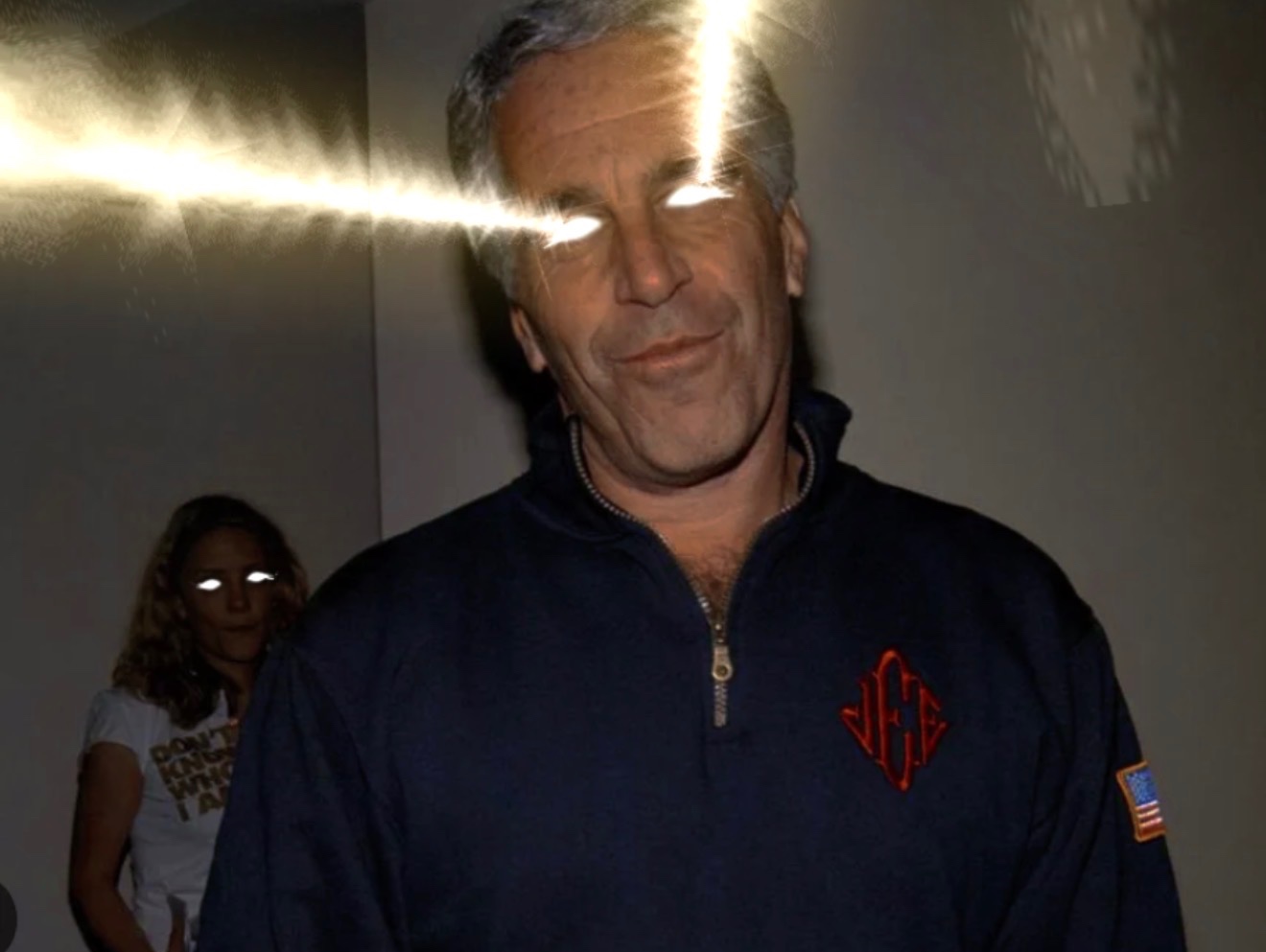
In the traditional sense, memes are supposed to be lighthearted and humorous content that are floated around the internet. However, in their current function, they have slowly begun reshaping what we think is true, what shocks us, and how the general online public now responds to real-world suffering and tragedy. At its worst, the mass spread of memes relating to serious events can numb empathy and amplify lies. As such, the consequence will be that tragedies get spun off into entertainment and that nothing can be taken seriously.
According to Wikipedia, Memetic Warfare is the deliberate use of memes to influence opinion, spread narratives, and manipulate audiences in the social-media era. In essence, it is a modern form of information and psychological warfare that borrows from propaganda methods of the past and exploits platform algorithms to amplify messages rapidly, with these messages meant to desensitize the public.
The same speed and humor that makes memes contagious online can also make them incredibly potent at normalizing bad deeds. Public figures and traumatic events worldwide are nowadays regularly converted into jokes through memes, deepfakes or branded images that remove context and emotion.
Now, of course some memes naturally spawn out of the chaos of the internet. However, oftentimes many memes are amplified by bots or malicious actors online to lessen negative stigmas surrounding certain scandals, incidents, or disgraced individuals. For instance, there’s the case of Jeffrey Epstein, whose image and personality have been turned into viral, often AI-generated clips and memes online. It is yet another instance of how meme culture can trivialize serious crimes and turn them into a giant joke.
This method of using memes to underplay serious issues is a far-ranging tactic applied to widely discussed events and individuals across the internet and social conscience. After the killing of George Floyd, his presence continues to linger online but increasingly through memes or images and videos meant to deride him. One specific instance of George Floyd’s emergence in meme culture is through the current meme of “George Droyd,” in which Floyd is portrayed as a fentanyl-consuming android working for Bill Gates and the State of Israel, a far cry from the martyr that he represented.
Similarly, this trend of memefying figures is also recently visible in the mass circulation of images and deepfakes of the late conservative activist Charlie Kirk, his face being plastered across the web in a trend known as “kirkification.” This making of a meme out of Charlie Kirk following his assassination trivializes the crime enacted upon him and desensitizes audiences to this type of violence.
For students, there are practical and immediate dangers of this effect. Memetic warfare heavily distorts the conscience of viewers and changes their newsfeeds, amplifying sensational or false claims and rewarding emotional reactions over reasoned analysis. By turning everything into a meme, the bar is lowered for civic discourse and it trains thought processes toward punchlines instead of rational and serious conversations.
In the long run, memes will not disappear, and some serve useful roles in humor and community building. The point is to stop treating every viral image as harmless. Schools, parents, and students must develop tools for critical viewing, verification, and empathy. If we fail to do that, we’ll find our social conscience being undercut by jokes that were never meant to be jokes in the first place.
