
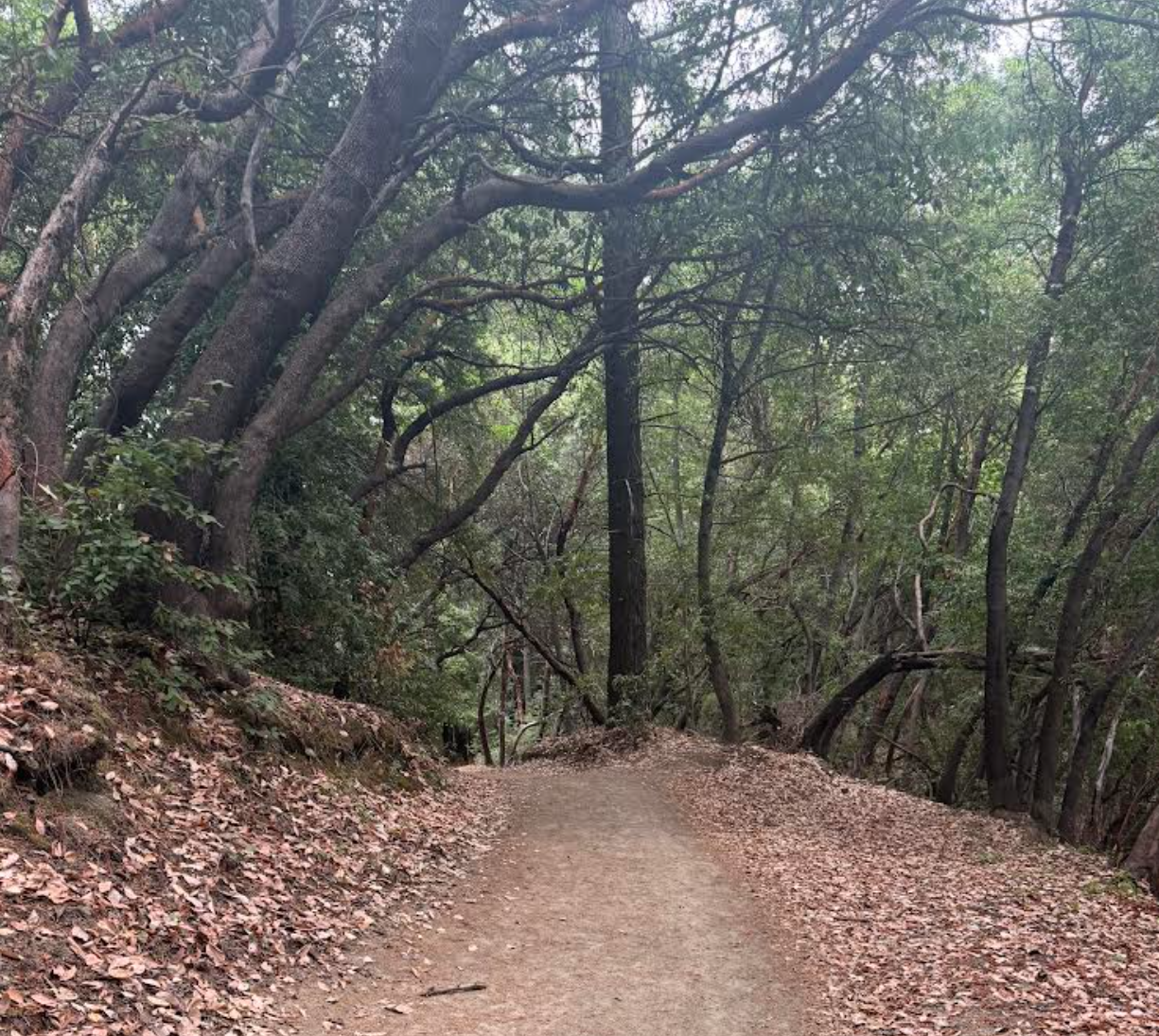
If you were lost hiking in the woods and it starts to get dark, would you know what to do? Getting stranded in a forest can be dangerous, especially as the temperature can drop during night and visibility can get low. If you know how to build shelter, find water, and reach out for help, these survival skills can make a difference in an emergency.
The first tip is to not wander around, since straying further into unfamiliar territory can make it harder for a rescue team to find you. If you have a phone, check your location and call 911. After calling emergency services, you should save your battery by lowering the brightness of your screen and limiting your phone use. If you don’t have a phone, then stay in a safe place, and near an open location with no trees and open ground where rescuers can more easily find you.
If it starts to get cold, staying warm is your first priority. Look for a dry place away from the wind and rain. Don’t go near areas with cliffs, dead trees, or rivers that could flood. The next step is to build a fire to provide warmth and to help rescuers find you in the dark. Find large pieces of wood first and stack them in a square formation on the ground. Then add more wood on top of the large pieces which are smaller and smaller until you get to the top. In the middle of the wood should be some space for the kindling, which may include dry leaves, moss, or small twigs. If you don’t have a lighter, you can rub two sticks together to make a spark to start the fire with.
Building a shelter can be simple, and you don’t have to overcomplicate it. Find a tall tree or rock that can provide protection against wind and rain and can act as a main frame. Then gather giant wood, leaning it on the main frame to include an inside area where you can crawl in. Lastly, add pine needles or any type of insulation you can sleep on because the floor can get cold.
Water is more important than food when trying to survive for one or two nights. Even if the water looks clear, don’t assume it’s safe to drink from a stream or lake. To prevent bacteria, you can boil the water to kill all the unwanted germs. Don’t eat unusual berries, mushrooms, or any plants because some of them could be poisonous, and instead of wasting energy in time, searching for food, focus on conserving your strength, and looking for a rescue.
Before every hike, or outdoor campout, bring extra food, water, warm clothing, a map, flashlight, and a fully charged phone just in case of emergency. Knowing what to do before an emergency happens, is the best way to stay safe outdoors.
