
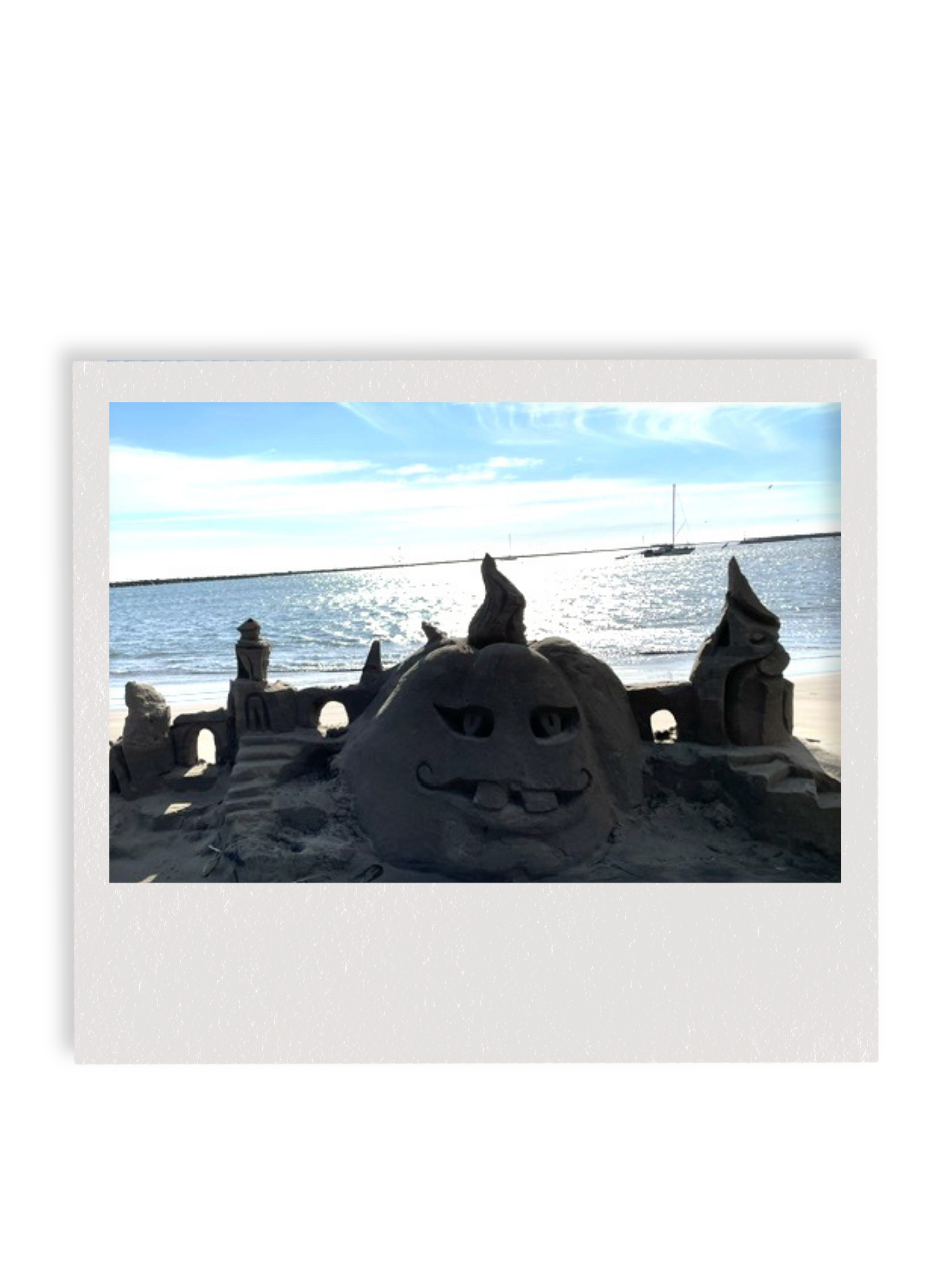
Many people have memories from their childhood of building sand castles, but most don’t realize sand sculpting’s underrated benefits for people’s well-being and its accessibility to participate, according to “Play with Sand to Reduce Anxiety in Adults and Kids” from Healthy Place, a consumer mental health website.
Sand sculpting requires focus; it distracts people from stressful problems and reduces anxiety, according to Healthy Place.
“By playing with sand, people don’t have to talk or think with words … Given that anxiety causes us to overthink and overanalyze, this is a huge benefit that goes a long way to reduce anxiety,” Healthy Place adds.
In addition, the manipulation of sand with hands and tools develops people’s fine motor skills, essential in everyday activities such as writing, according to “The Benefits of Playing with Sand: Uncovering the Wonders of Sensory Play” from The Pennsylvania Key.
“Sand play is a rich sensory experience that engages the sense of touch, sight, and sound,” The Pennsylvania Key adds. “The tactile experience of handling sand promotes sensory integration, which is crucial for processing and responding to sensory information.”
Sand sculpting is very simple, as most of the supplies can be found in your home. Kitchen utensils, masonry tools, and cake decorating tools can be used, according to “Sand Sculpting 101” from Broken Glass Sand Sculptures. The most important part is having some sort of form or temporary mold.
“There are all types of forms we use out there, though ultimately it’s the size/shape of your sculpture that dictates the size/type of the forms that are used,” Broken Glass Sand Sculptures adds. “Forms don’t get much simpler than ‘flexie’ forms (polyethylene plastic sheets).”
The first step is to find an area above the high-tide line and start placing the form, according to Broken Glass Sand Sculptures. Once you find sand to fill your form with, you can start adding water to it.
“Your weight compressing the sand and your feet stomping it down helps to compact it. Use a shovel to help stir the wet sand to help get all those nasty air bubbles out,” according to Broken Glass Sand Sculptures.
Then, you can find reference photos all over the internet and use carving tools to sketch out a design by section, according to Broken Glass Sand Sculptures. When the sketch is done, you should .. carving from top to bottom.
“By leaving the bottom form still on while carving the top, we lighten the weight of the second form’s sand on the bottom. This will help keep collapses minimal,” according to Broken Glass Sand Sculptures.
Finally, Broken Glass Sand Sculptures says the last step is to make a slurry of wet sand or mud to use for finer details.
Rusty Croft continues to encourage people to join the sand sculpting community, US Sand Sculpting adds.
“Now he hopes that his work will inspire and motivate a new generation of sand sculptors. ‘My motto is ‘dig in and make art,’ he said. ‘It’s that simple.’,” U.S. Sand Sculpting adds.
