
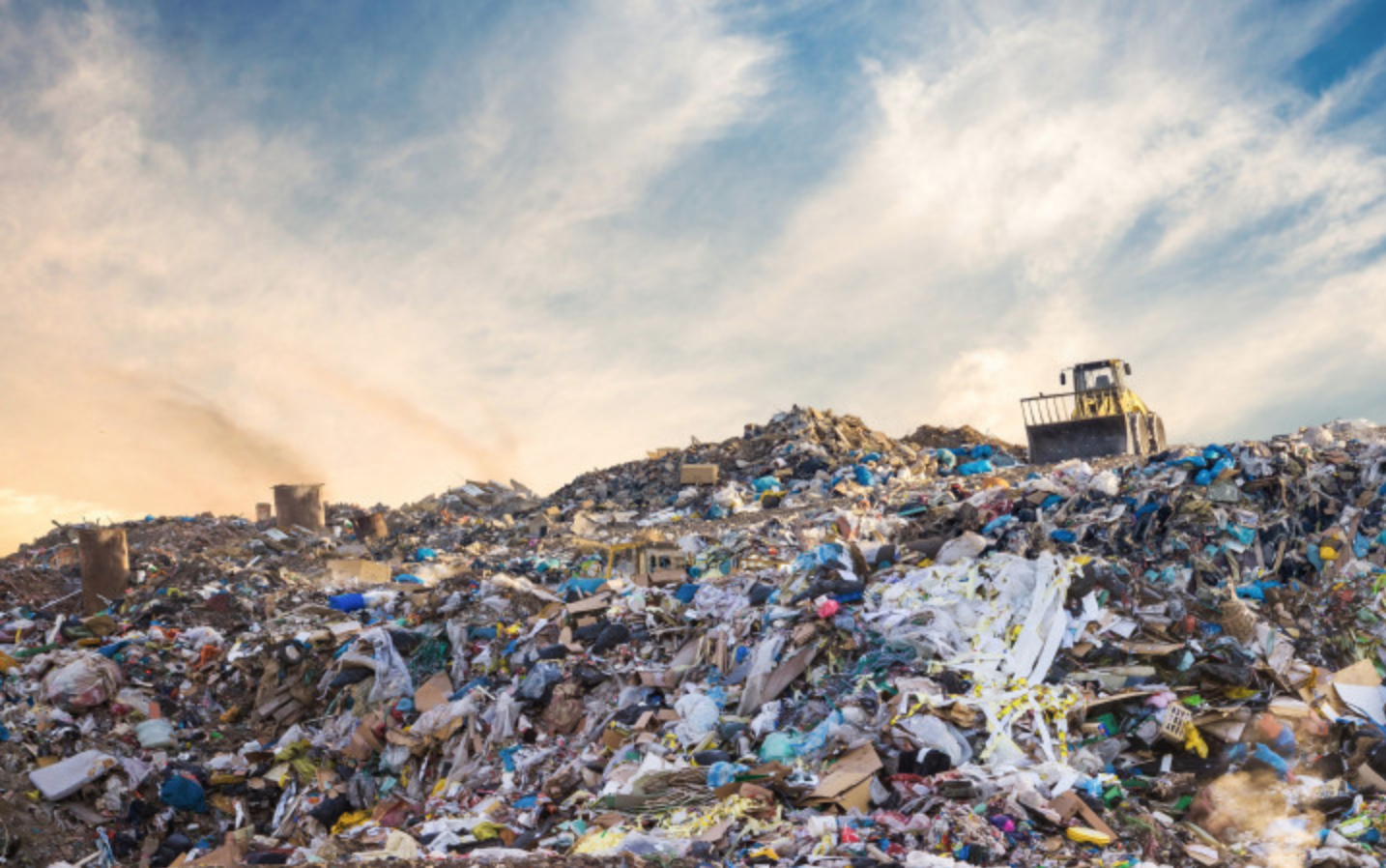
When we throw something away, we never see it again. However, just because we do not see it, it does not mean that our trash is gone forever. In fact, our trash can take months to thousands of years to decompose. Due to the large amount of trash that we produce and the slow rate of decomposition of trash, landfills are becoming increasingly larger every day. Landfills not only waste resources to construct, but are the leading producers of methane, a greenhouse gas that contributes to climate change, and contaminates the soil with toxic chemicals. With all the harmful effects that come with having trash and landfills, we can try our best to reduce the amount of trash that we produce by following these tips:
- Buy in bulk. Purchasing multiple single-use items uses more packaging than a single bulk item. Because of the extra packaging, you are creating more waste. Buying items in bulk can also help you save money.
- Use less. By using less every time you use something, such as using less shampoo and lotion, it takes more time for you to use up a product, so you do not need to go buy more of that product as often. This will result in less packaging waste while also being an effective way to save money.
- Go thrift shopping. Buying used items is extremely beneficial to the environment because there are not any resources being wasted on producing a brand new object. Purchasing second-hand products also prevents these still useful items from ending up in a landfill. Additionally, there are a variety of things at a thrift store, such as clothes, furniture, and school supplies, that you can buy at a much cheaper price than at a regular store. Some nearby thrift stores include Goodwill and The Salvation Army.
- Analyze what you mostly throw away. By knowing the type of trash that you produce the most, you can figure out ways to reduce that type of waste and decrease the total amount of trash that you create. For example, if most of your trash comes from getting takeout food, consider using your own plates and silverware instead of using the single-use plates and utensils that the restaurant provides.
- Do not buy stuff that you do not need. You should not purchase unnecessary items because it will generate more waste. Moreover, if you buy too much of something, such as food, it might go bad before you finish it, resulting in a waste of food and your money. You should completely finish something before you get a new item.
As you can see, there are a variety of ways that you can reduce the amount of waste that you produce. Every American generally produces around 4.4 pounds of trash per day, according to Stephen Leahy from the National Geographic. Based on this statistic, by following a zero-waste lifestyle, you can reduce over 30 pounds of waste in a week and over 1600 pounds in a year. Although following a completely zero-waste lifestyle may be difficult, just implementing a few of these simple changes to your life can have a large, positive impact on the environment in the long run.

